When God Feels Far: Hope in Psalm 22:1–11
A reflection on Psalm 22:1–11 for those walking through sorrow, silence, or spiritual heaviness. This post reminds us that even when God feels far away, we can still cry out, remember His faithfulness, and find hope in Christ.log post description.
Wallace Trowell
4/4/20262 min read
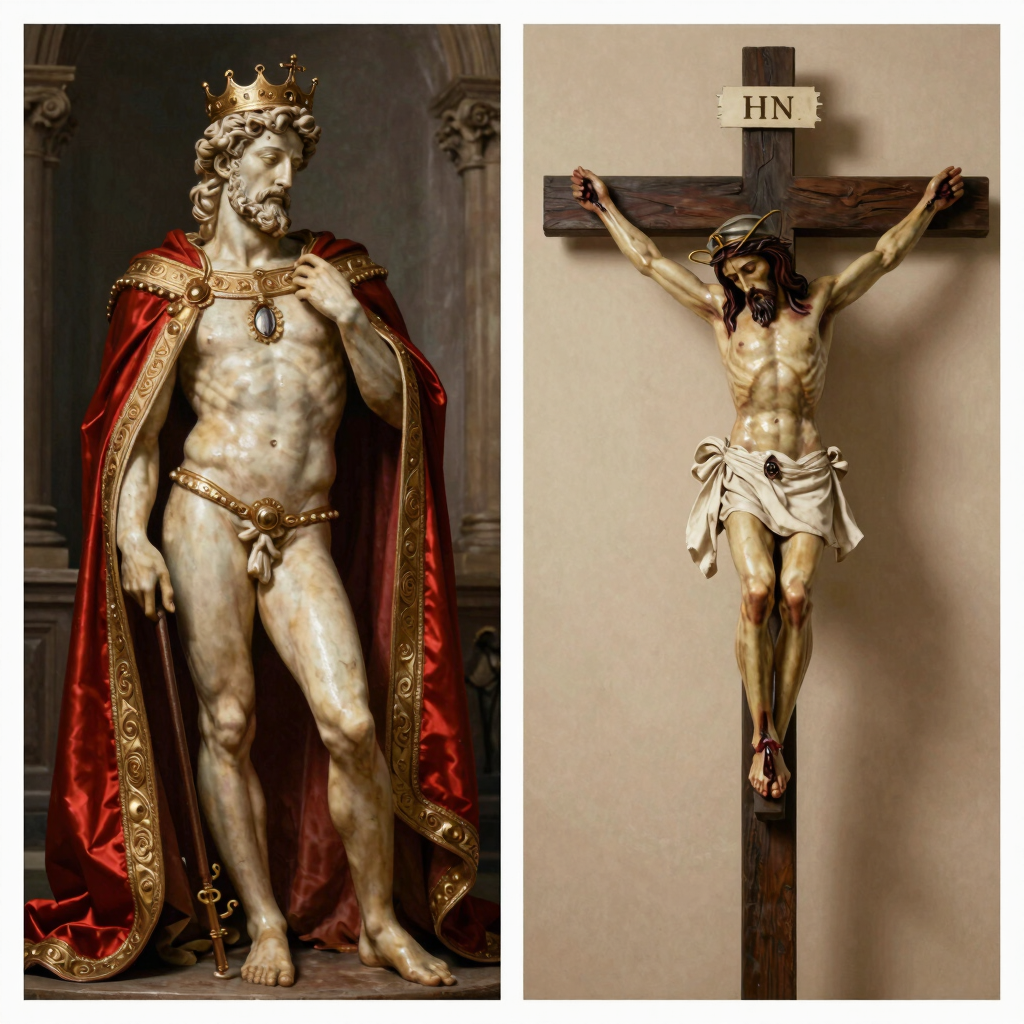
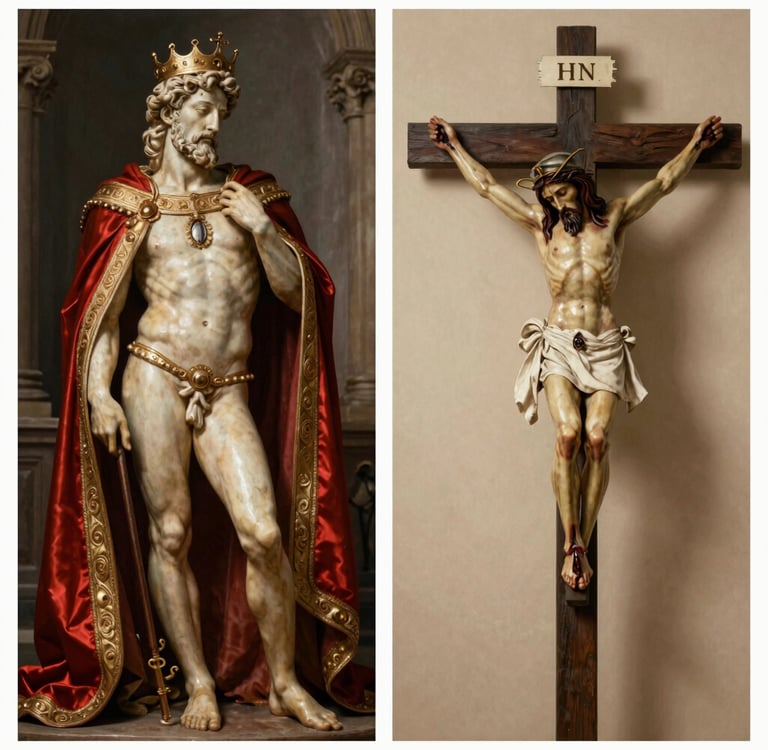
There are moments in life when the heart cries what the lips are almost afraid to say: “Lord, where are You?” Psalm 22 opens with one of the most sorrowful cries in all of Scripture. David says, “My God, my God, why hast thou forsaken me?” (Psalm 22:1, KJV). These are not the words of a man who has stopped believing. They are the words of a man who still reaches for God even while feeling abandoned.
That is important for us to remember. Deep sorrow does not always mean weak faith. Sometimes the truest faith is the faith that cries out in the dark and still says, “My God.”
In verses 1–2, David speaks of praying day and night without relief. He feels unheard. He feels restless. He feels alone. Many believers know this kind of pain. There are seasons when heaven seems silent and prayer feels heavy. Yet Psalm 22 reminds us that God has not rejected honest cries. He welcomes the brokenhearted who come to Him with truth.
Then comes a beautiful turn in verse 3: “But thou art holy.” David moves from his feelings to God’s character. He does not deny his suffering, but he remembers who God is. This is one of the great anchors of faith. Our feelings may shake, but God’s holiness does not. Our circumstances may change, but God remains worthy, righteous, and true.
In verses 4–5, David remembers the faith of those who came before him. “Our fathers trusted in thee: they trusted, and thou didst deliver them.” When present trouble clouds our minds, it helps to remember the Lord’s past faithfulness. The God who carried His people before is still the same God today. He has not changed.
Yet David’s pain is still very real. In verses 6–8, he describes being mocked, despised, and treated like less than a man. He feels crushed in spirit and humiliated before others. These words point us not only to David’s suffering, but also to Christ. Jesus spoke the opening words of this psalm from the cross. He entered fully into sorrow, rejection, and agony. He knows what it is to be mocked. He knows what it is to suffer. Because of that, we can be sure that He understands our grief completely.
Then David remembers something tender in verses 9–10: God has cared for him since birth. The Lord was with him from the womb, through infancy, through every unseen moment. What comfort there is in that truth. Even when we feel forgotten, we are not unknown. The God who formed us has not lost sight of us.
Verse 11 closes this section with a simple plea: “Be not far from me; for trouble is near.” That is a prayer many of us can pray. We may not always have the right words, but we can ask for His nearness.
When God feels far, hold fast. Cry out honestly. Remember His holiness. Recall His faithfulness. Look to Christ. The Lord is nearer than your feelings can measure.
Takeaway: Even when God feels far away, the believer can still cry, trust, and rest in His unchanging faithfulness.
Prayer: Lord, when my heart feels overwhelmed and You seem distant, keep me near to You. Help me trust Your holiness, remember Your faithfulness, and look to Jesus in every sorrow. Amen.
You are not alone in the dark. Keep calling on Him.
Connect
Questions? Reach out anytime, we’re here.
Phone
hello@gracereason.com
(863) 514-8118
© 2026. All rights reserved. Grace & Reason/Wallace Trowell